Standing in a furniture showroom, torn between a sleek low-slung sofa and a carved wooden one your grandmother would’ve approved of? That’s basically the whole modern vs traditional home design debate in miniature. Neither style is objectively better — it depends on how you actually live, not just how a room photographs on Instagram. In 2026, with more Indian homeowners renovating older family houses rather than building fresh, this decision comes up more often than you’d think. Let’s break down what each style really means before you commit.
What Does Modern Home Design Actually Mean?
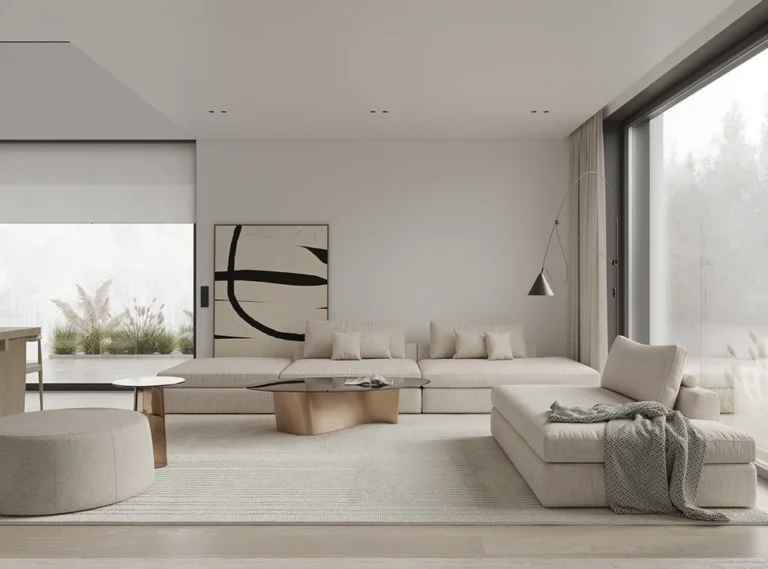
People throw around “modern” pretty loosely, so let’s pin it down. In the context of modern vs traditional home design, modern refers to clean lines, minimal ornamentation, and a focus on function over decoration.
Quick answer: Modern home design prioritizes open layouts, neutral color palettes, and materials like glass, steel, and concrete, with almost no decorative carving or ornate detailing — the goal is visual calm and practicality over embellishment.
I’ll be honest, I used to think modern design meant cold and impersonal. That changed after I saw a friend’s Bangalore apartment done in warm wood tones with a modern layout — proof that “modern” doesn’t have to mean sterile.
What Does Traditional Home Design Actually Mean?
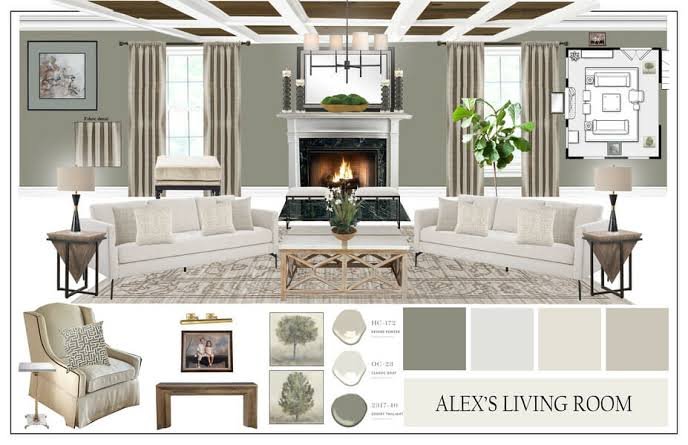
Traditional design leans on ornamentation, rich textures, and details passed down through regional craft traditions — think Rajasthani jharokhas, Kerala-style wooden ceilings, or Mughal-inspired archways.
- Heavier, often hand-carved furniture
- Warmer, deeper color palettes (maroons, mustards, deep greens)
- More visible craftsmanship — jaali work, brass fittings, inlay patterns
This style tends to carry emotional weight too. A traditional home often reflects family history in a way modern spaces rarely do.
Modern vs Traditional Home Design: Cost Comparison
Featured snippet: Traditional home design is usually 20-40% more expensive than modern design because of skilled artisan labor, custom woodwork, and material sourcing — modern design relies on factory-finished materials that are cheaper and faster to install.
Custom jaali screens or hand-carved doors from craftsmen in Jodhpur or Jaipur don’t come cheap, and that’s before you factor in the time — some pieces take months, not weeks.
Modern design, by contrast, benefits from standardized manufacturing. Modular kitchens, ready-made furniture, factory-cut tiles — all of it keeps costs and timelines more predictable.
Which Style Works Better for Small Spaces?
Modern design tends to win here, and it’s not particularly close.
Open layouts, fewer heavy pieces, and lighter color palettes make small apartments feel bigger. Traditional design’s tendency toward ornate, bulky furniture can overwhelm a compact space fast.
Picture a young couple in a 550 sq ft flat in Pune trying to fit in a traditional carved dining set meant for a much larger ancestral home. It technically fit — barely — but the room felt cramped the moment you walked in. They eventually swapped it for a simpler modern table and got that space back immediately.
Maintenance: Which Style Asks More of You?
Traditional interiors, especially ones with wood carving, brass, or natural stone, need regular upkeep — polishing, pest treatment for wood, occasional restoration work.
Modern materials like laminate, glass, and steel are lower-maintenance by comparison. A quick wipe-down usually does the job.
That said, I’ve noticed traditional homes age with more character. A modern laminate surface just looks worn when it’s old. A well-maintained teak piece looks better with age, honestly.
Can You Mix Modern and Traditional Home Design?
Absolutely, and this is where most Indian homes actually land in practice rather than picking one extreme.
- Keep a modern, open layout but add one or two traditional statement pieces — an antique jharokha frame, a brass lamp, a carved console
- Use traditional textiles (block-print cushions, ikat throws) against a modern neutral base
- Pair a modern kitchen with a traditional-style pooja room or courtyard nook
This hybrid approach — sometimes called “modern traditional” or “contemporary ethnic” — tends to satisfy people who want practicality without losing the warmth of family heritage.
[link to related guide on mixing design styles here]
Resale Value: Does Style Choice Matter?
Featured snippet: Homes with modern, neutral interiors generally sell faster and appeal to a wider buyer pool, since heavily traditional or ornate customization can feel too personal or region-specific for some buyers — though this varies by city and buyer demographic.
Real estate agents in metro cities have told me modern-styled homes photograph better for listings too, which matters more than people realize in a market where buyers scroll through photos before ever visiting in person.
That said, in cities with strong regional pride around craftsmanship, a tastefully traditional home can still be a selling point, not a drawback.
Climate and Regional Fit
Traditional Indian architecture developed the way it did for a reason — thick walls, courtyards, jaali screens for ventilation, all suited to local climate long before air conditioning existed.
[link to related guide on climate-responsive home design here]
Modern design, especially glass-heavy layouts borrowed from cooler Western climates, can actually work against you in places like Jaipur or Delhi during peak summer unless you factor in proper insulation and shading.
FAQs About Modern vs Traditional Home Design
Which is cheaper, modern or traditional home design? Modern design is generally cheaper because it relies on factory-made materials and standardized furniture, while traditional design often involves custom, hand-crafted work that takes longer and costs more.
Is modern home design better for resale value? In most metro markets, yes — modern, neutral interiors appeal to a broader range of buyers. Traditional homes can still sell well, particularly in regions where local craftsmanship is valued.
Can I combine modern and traditional home design in one house? Definitely, and many Indian homeowners do exactly this. A modern base layout with a few traditional accent pieces is one of the most popular approaches right now.
Which style is easier to maintain? Modern materials like laminate and steel need less upkeep than traditional wood carving, brass fittings, or natural stone, which often require periodic polishing or restoration.
Does traditional home design suit small apartments? Not always. Traditional furniture tends to be bulkier and more ornate, which can make compact spaces feel crowded. Modern, open layouts generally work better for smaller homes.
Which style is more climate-friendly in India? Traditional design, particularly features like courtyards and jaali screens, was built around Indian climate conditions. Modern glass-heavy designs need extra insulation planning to stay comfortable in hot regions.
Final Thoughts
There’s no universal winner in the modern vs traditional home design debate — it genuinely comes down to your space, your budget, and how much of your family’s history you want reflected on your walls. If you’re short on space or want lower upkeep, modern probably suits you better. If character and craftsmanship matter more than convenience, traditional (or a thoughtful mix of both) might be worth the extra investment.
Before you commit to either, walk through a few show homes of each style if you can — photos rarely capture how a space actually feels once you’re standing in it.