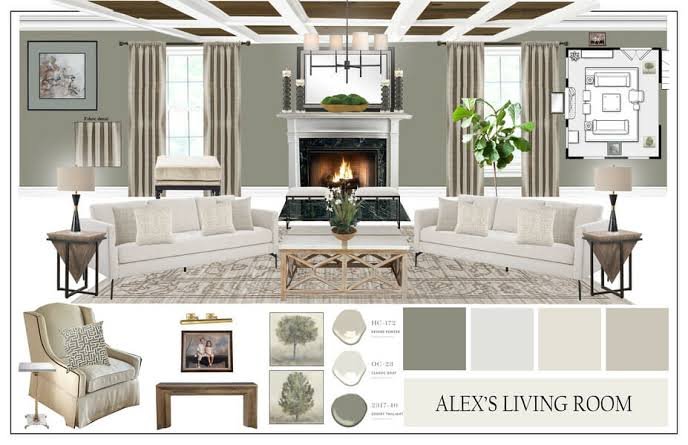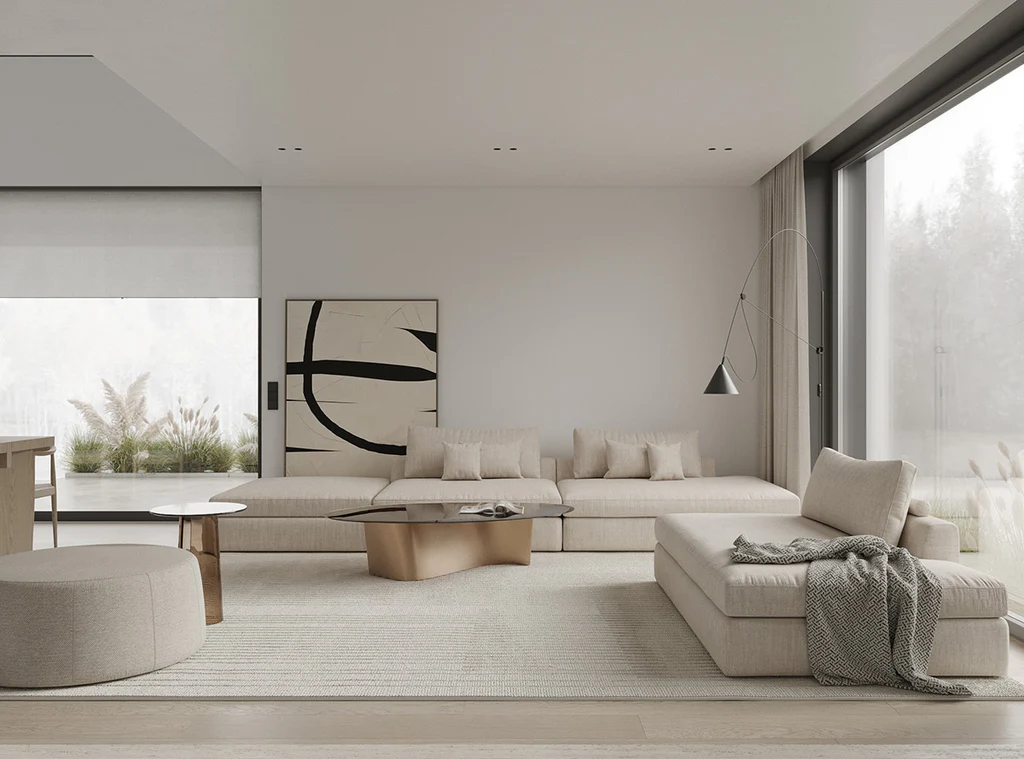
Ever walked into a friend’s living room and felt instantly calmer, without quite knowing why? Chances are it wasn’t luck. It was minimalist interior design — and no, that doesn’t mean bare white walls and a single sad plant. Good minimalist interior design tips are really about making peace with your space, not stripping it down until it feels cold. In 2026, with smaller apartments and busier lives becoming the norm across Indian cities, this approach matters more than ever. Let’s get into what actually works.
1. Start With One Room, Not the Whole House
Every guide to minimalist interior design tips tells you to declutter everything at once. Don’t. It’s exhausting and you’ll quit by Sunday afternoon.
Pick one room. The living room usually gives the biggest visual payoff for the least effort, since it’s what guests see first.
Quick answer: The fastest way to start minimalist interior design is to fully declutter a single high-traffic room first — this builds momentum and gives you a visible before-and-after that keeps you motivated for the rest of the house.
I’ve noticed that people who try the “whole house in a weekend” approach almost always end up with piles of stuff shoved into a spare room, which defeats the point entirely.
2. Follow the One-Year Rule
If you haven’t touched something in twelve months — clothes, kitchen gadgets, that box of cables — it’s probably not coming back into your life. Sentimental items are the exception, obviously.
- Kitchen appliances you bought for one recipe you made twice
- Clothes still tagged from a sale two summers ago
- Old chargers for phones you no longer own
This rule sounds harsh but it’s honestly kinder than you’d think. It just removes the guilt of “maybe someday.”
3. Choose Furniture That Does Two Jobs
Multi-functional furniture is where minimalist interior design really earns its keep, especially in smaller flats. A 600 sq ft apartment in Mumbai or Bangalore doesn’t have room for a coffee table that only holds coffee.
Some pieces worth the investment:
- A storage ottoman instead of a plain footrest
- A bed frame with drawers underneath (saves buying a separate dresser)
- A console table that folds out into a dining surface
Picture a small business owner in Jaipur running her design consultancy from a one-bedroom apartment. She swapped her bulky desk for a wall-mounted fold-down table, and suddenly her “office” disappeared into the wall every evening. That’s the whole philosophy in one piece of furniture.
4. Stick to a Limited Color Palette
Featured snippet: For clutter-free minimalist interior design, limit your palette to one neutral base (white, beige, or grey), one secondary tone, and one accent color used sparingly — this keeps rooms visually calm even when they contain several objects.
Too many colors is honestly a bigger problem than too many objects. I’d argue it’s the single most underrated tip on this list.
Try warm whites paired with terracotta or muted sage — colors that feel at home in Indian light, which tends to be brighter and warmer than in, say, Scandinavian interiors that most minimalist blogs are photographed in.
5. Let Storage Disappear Into the Walls
Visible storage is still storage, but it reads as clutter to the eye even when it’s organized. Built-in wardrobes, recessed shelving, under-stair cabinets — these keep your things accessible without keeping them visible.
A carpenter in Pune once told me something that stuck: “People pay for square footage, then waste half of it on furniture that could’ve been a wall.” He wasn’t wrong.
[link to related guide on small-space storage solutions here]
6. Don’t Skip Lighting Layers
This one gets ignored constantly. A single overhead tube light makes even a perfectly minimal room feel harsh and unfinished.
Layer your lighting instead:
- Ambient light (ceiling or wall-mounted)
- Task lighting (desk lamps, under-cabinet lights in the kitchen)
- Accent lighting (a floor lamp in a reading corner)
Has this ever happened to you — a room that looks fine in photos but feels off in person? Nine times out of ten, it’s the lighting, not the furniture.
7. Keep Surfaces 80% Empty
There’s a rough rule interior designers use: leave about 80% of any flat surface — countertop, coffee table, shelf — empty. The remaining 20% is for one or two intentional objects, not seven scattered ones.
This is where minimalist interior design tips stop being about buying less and start being about arranging what you already own with a bit more restraint.
8. Use Textiles to Add Warmth Without Adding Clutter
A common mistake people make with minimalism is confusing “empty” with “cold.” Throw pillows, a textured rug, a linen curtain — these soften a room without adding a single extra object to trip over.
- One patterned cushion breaks monotony better than five plain ones
- A jute or cotton rug adds texture without visual noise
- Curtains in a slightly heavier fabric make a room feel finished, not sparse
9. Create a “Maybe” Box Before You Donate
Not everything needs an instant decision. Keep a box for items you’re unsure about, seal it, date it, and revisit in three months. If you haven’t thought about what’s inside, donate the whole box unopened.
This trick alone has saved me from re-buying at least two things I almost gave away too quickly.
10. Rotate, Don’t Accumulate
Books, decor, even kids’ toys — rotate what’s on display every few months instead of buying new pieces to keep things “fresh.” Store the rest in a labeled box. It genuinely feels like new decor without spending a rupee.
[link to related guide on budget home decor ideas here]
FAQs About Minimalist Interior Design
Is minimalist interior design expensive? Not necessarily. A lot of the cost people associate with minimalism comes from buying “aesthetic” replacement furniture rather than working with what they already own. Decluttering and rearranging costs nothing.
How do I start minimalist interior design on a small budget? Begin with decluttering rather than buying anything new. Only after that’s done should you consider one or two multi-functional furniture pieces, and even then, secondhand markets work fine.
Does minimalist interior design work for small Indian apartments? Yes, arguably better than in larger homes, since smaller spaces show clutter more obviously and benefit more from wall-mounted storage and multi-use furniture.
What colors are best for minimalist homes? Warm neutrals suited to Indian light — off-white, beige, soft terracotta — tend to work better than the stark cool-white palettes often shown in Western minimalist inspiration photos.
How is minimalist design different from just “empty” or “boring” design? Minimalism is intentional selection, not absence. A minimalist room can still have color, texture, and personality — it just avoids random or unused objects taking up visual space.
Can I be minimalist and still keep sentimental items? Definitely. The point isn’t to remove meaning from your home, just excess. Keep the things that matter and let go of the things you’re holding onto out of guilt or habit.
Final Thoughts
None of this requires a full renovation or a trip to an expensive furniture store. Start with one room, apply the one-year rule, and be a little more deliberate about what earns a spot on your shelves. Minimalist interior design isn’t about owning less for the sake of it — it’s about making sure everything you do own actually has a reason to be there.
Pick one tip from this list and try it this weekend. Not all ten — just one. See how the room feels after, and go from there.