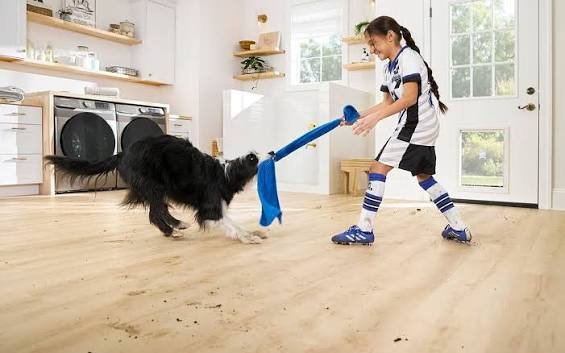
If you’ve ever come home to find your brand-new hardwood covered in claw marks, you already know why finding the best flooring for pet owners matters so much. It’s not just about looks. It’s about surviving daily life with an animal that doesn’t care how much your floor cost.
I’ve had two dogs and a cat over the last decade, and I’ve replaced flooring three times because I picked wrong. Twice, actually — the third time I finally got it right. So this isn’t theory. This is what happens after month eight, not what the showroom brochure promises on day one.
Let’s get into what actually works, what to avoid, and why the “best flooring for pet owners” label gets thrown around too loosely by salespeople who’ve never owned a dog.
Why Regular Flooring Fails With Pets
Direct answer: Regular flooring fails with pets because it’s designed for foot traffic, not claws, moisture, and constant friction from paws. Standard laminates and soft woods scratch, warp, and stain faster than manufacturers admit — especially in Indian homes with larger, more active breeds.
Most flooring is tested for human shoes. Someone in a lab walks across it a few thousand times and calls it durable. But dogs don’t walk — they scramble, they skid on tile when excited, they dig at corners when bored. Cats knock over water bowls near baseboards. None of this shows up in standard durability ratings.
I learned this the hard way with a golden retriever named Bruno. Beautiful oak flooring, gone in under a year. Deep gouges near the door where he’d wait for us, water stains near his bowl that never fully lifted.
The three real enemies of pet-friendly flooring are:
- Scratches from nails, especially on soft materials
- Moisture damage from accidents, drool, or spilled water bowls
- Slip hazards, which matter more for older pets with joint issues than people usually realize
Vinyl Flooring: The Practical Favorite
Direct answer: Luxury vinyl plank (LVP) is widely considered the best flooring for pet owners because it resists scratches, handles moisture without warping, and costs far less than hardwood — typically ₹150–400 per square foot in India.
I switched to LVP after the Bruno disaster and honestly, I wish I’d started there. It looks like wood if you pick a good grain pattern, but it doesn’t behave like wood at all.
A few things I noticed after two years of daily use:
- Scratches are minimal, even with an energetic dog who runs full-speed through the hallway
- Spills wipe up in seconds with zero staining
- It’s warmer underfoot than tile, which matters in winter months
The downside? Cheap vinyl looks cheap. Spend the extra money on a thicker wear layer — 20 mil or above — or you’ll be replacing it again in three years anyway.
Tile Flooring for High-Traffic Pet Areas
Tile gets recommended constantly for pet owners, and for good reason — it’s basically indestructible against claws. But nobody talks enough about the downsides.
Direct answer: Ceramic or porcelain tile offers excellent scratch resistance and easy cleanup, making it strong pet-friendly flooring for entryways and kitchens, though grout lines can trap odor and pets may find it too cold or slippery.
Here’s my honest take: tile is fantastic in a mudroom or kitchen where accidents happen most. It’s a disaster in a living room where your dog wants to nap. I’ve watched my cat slide across polished porcelain tile like she was on ice skates. Not exactly the ambiance I was going for.
If you go with tile, choose a matte or textured finish over glossy. It costs a little more traction-wise it’s worth every rupee.
Laminate Flooring — Proceed With Caution
Laminate is the flooring everyone considers because it’s affordable and looks decent in photos. For pet owners though? I’d think twice.
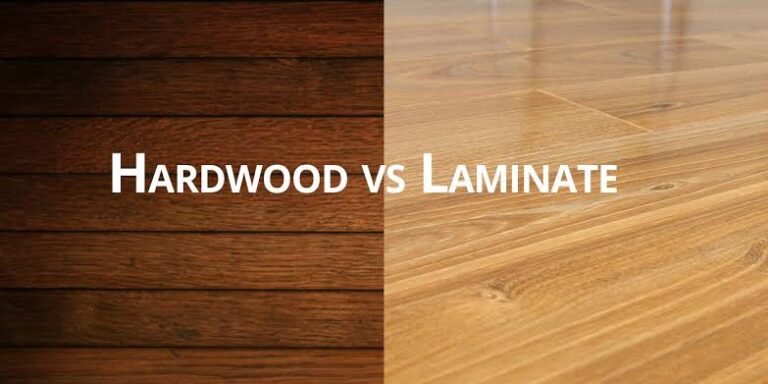
Standard laminate has a photographic layer under a protective coating, and that coating scratches. Once it’s scratched, water gets underneath, and the whole plank swells and warps. This happens fast with pets — sometimes within months, not years.
If budget is tight and laminate is your only option, at least look for:
- AC5-rated laminate (the highest abrasion class)
- Waterproof or water-resistant core, not just “water-resistant coating”
- Textured finish to hide minor scuffs
[link to related guide on laminate vs vinyl flooring here]
Hardwood Flooring: Beautiful, But Is It Worth the Risk?
I get it. Hardwood looks stunning. Resale value goes up. Everyone wants it. But is it genuinely one of the best flooring options for pet owners? Not really, unless you’re strategic about it.
Softer woods like pine dent almost immediately under claws. Harder species — oak, hickory, teak — hold up considerably better. A rough rule: the higher the Janka hardness rating, the better it survives pets.
Picture a small business owner in Jaipur who installs beautiful teak flooring in a new home office, then adopts a rescue puppy six months later. Within a year, there are scratch trails near every doorway. That’s not a hypothetical — that’s a client of a flooring contractor I spoke to while researching this piece.
If you love hardwood, go with hand-scraped or wire-brushed finishes. They hide scratches naturally because the texture already looks distressed.
Carpet: Generally a Bad Idea (With Exceptions)
I’ll be blunt — carpet and pets rarely mix well. Odors sink in, stains are near-impossible to fully remove, and shedding fur becomes a permanent houseguest.
That said, low-pile carpet tiles in a single bedroom, away from main traffic and feeding areas, can work fine. Just don’t carpet the whole house if you’ve got a dog with any accident history.
Cork and Bamboo — The Underrated Options
Cork rarely gets mentioned in these discussions, and that’s a mistake. It’s naturally antimicrobial, has some give underfoot (easier on aging pet joints), and resists moisture reasonably well when sealed properly.
Bamboo is similar to hardwood in appearance but often more affordable. Strand-woven bamboo specifically is harder than most hardwoods and handles claws better than people expect.
Neither is perfect — both can scratch under heavy nail contact — but for a quieter room like a bedroom, they’re worth considering.
Sealants, Rugs, and Small Fixes That Make a Big Difference
Direct answer: Regular nail trimming, area rugs in high-traffic zones, and re-sealing wood or laminate every 2-3 years significantly extend the life of any pet-friendly flooring, regardless of material.
A few habits that genuinely help:
- Trim nails every 3-4 weeks — this alone reduces scratching more than any flooring upgrade
- Use washable rugs near food and water bowls
- Wipe paws after walks, especially in monsoon season
- Reapply sealant on wood floors annually if you insist on keeping hardwood
None of this is glamorous advice. It’s just what actually works.
FAQ: Common Questions About Flooring for Pet Owners
Is vinyl flooring safe for dogs and cats? Yes, LVP is one of the safer choices — it’s non-toxic once cured, doesn’t trap allergens the way carpet does, and the surface is easy to disinfect after accidents.
What flooring is best for large dogs specifically? Larger dogs put more pressure through their nails, so go with tile or high-quality vinyl over softer laminate or hardwood. Scratch resistance matters more than looks here.
Does bamboo flooring scratch easily with pets? Strand-woven bamboo resists scratches better than standard hardwood, though it’s not scratch-proof. Regular nail trims help a lot.
Is tile too cold for pets in winter? It can be, especially for older pets. Adding a rug or heated mat in your pet’s favorite resting spot solves this without giving up tile’s durability elsewhere.
How often should I reseal wood flooring if I have pets? Roughly every 2-3 years, though homes with multiple large dogs might need it closer to every 18 months depending on wear.
Is carpet ever okay for pet owners? In low-traffic rooms away from food and accidents, low-pile carpet tiles can work. Whole-house carpeting with pets is usually a maintenance headache.
[link to related guide on pet-proofing your home here]
Final Thoughts
There’s no single flooring that’s magically perfect for every pet owner — it depends on your pets, your traffic patterns, and honestly, your patience for maintenance. But if I had to pick one answer for most people asking about the best flooring for pet owners, it’s luxury vinyl plank. It balances cost, durability, and looks better than anything else on this list.
Whatever you choose, don’t skip the small habits — nail trims, rugs, quick cleanups. They matter more than the marketing claims on any flooring box.
If you’re mid-renovation right now, my honest advice: get a sample plank, put it in your dog’s favorite spot for a week, and see how it actually holds up before committing to the whole house. [link to a flooring cost calculator guide here]