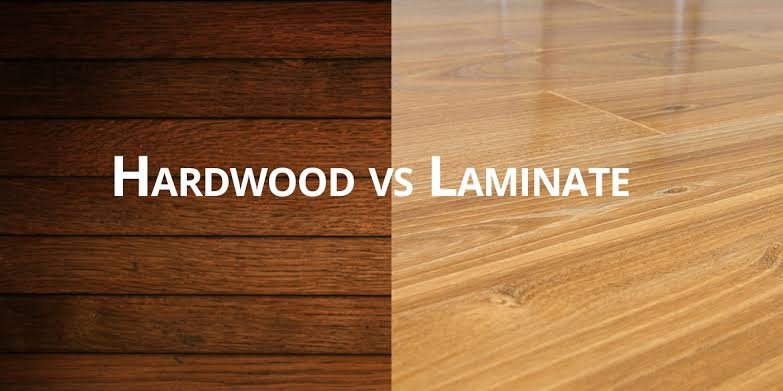
So you’re renovating, and you’ve hit that wall every homeowner hits eventually — hardwood vs laminate flooring, and nobody in the store gives you a straight answer. Everyone’s pushing whatever’s on sale that week.
I get asked this constantly by friends renovating their first home. And honestly? The answer isn’t the same for everyone. It depends on your budget, your household, even your city’s humidity levels.
This isn’t going to be one of those “it depends” articles that dodges the question. I’ll tell you exactly where each one wins, where it fails, and which one I’d pick for different situations.
What’s the Real Difference Between Hardwood and Laminate?
Direct answer: Hardwood flooring is solid or engineered wood cut from real trees, while laminate is a synthetic product with a photographic wood-look layer over a compressed wood-fiber core. Hardwood costs more and lasts longer; laminate is cheaper and easier to install.
That’s the textbook version. Here’s the practical one.
Hardwood is the real deal — oak, teak, walnut, whatever species you choose. It can be sanded and refinished multiple times over its life. Laminate can’t. Once the top layer wears through, that plank is done.
But laminate has come a long way. The photo-realistic layers used today aren’t the fake-looking stuff from fifteen years back. Some laminate genuinely fools people at first glance — until you knock on it and hear that hollow click.
Cost Comparison: What You’ll Actually Pay
Direct answer: In India, laminate flooring typically runs ₹80–250 per square foot, while hardwood ranges from ₹300–800+ per square foot depending on species and finish. Installation costs add roughly 15-20% more for hardwood due to skilled labor requirements.
Let’s talk real numbers, because this is usually the deciding factor.
For a 1,000 sq ft home:
- Laminate: roughly ₹1–2.5 lakh total, installed
- Engineered hardwood: ₹3–6 lakh
- Solid hardwood (teak, for example): ₹8 lakh and up, easily
That’s a massive gap. I’ve watched clients fall in love with teak flooring in a showroom, then quietly switch to laminate once the quote comes in. No shame in that — it’s a lot of money.
Laminate also installs faster. A skilled crew can lay laminate across a mid-size apartment in 2-3 days. Hardwood, especially solid wood that needs acclimatization time, can take a week or more.
Durability: Which One Actually Survives Daily Life?
Here’s where I have a slightly unpopular opinion. Everyone assumes hardwood automatically wins on durability. It doesn’t — not against everything.
Hardwood handles dents and general wear well, especially harder species. But it’s genuinely vulnerable to water. A burst pipe or a monsoon leak can warp hardwood permanently within days.
Laminate resists moisture better in short bursts (spills wiped up quickly are usually fine), but standing water for hours will still swell the core. Neither one loves water, honestly — laminate’s just slightly more forgiving if you catch spills fast.
Scratch resistance goes to laminate, generally speaking. The wear layer (measured in AC ratings, AC3 to AC5) handles daily foot traffic and pet claws better than most hardwood finishes.
A few durability notes worth knowing:
- Hardwood can be refinished 4-6 times over its lifespan, adding decades of use
- Laminate typically lasts 15-25 years before replacement is necessary
- High humidity cities like Mumbai or Chennai are harder on both materials than drier regions
[link to related guide on best flooring options for pet owners here]
Which Looks Better — Does It Even Matter?
I’ll be honest, this section always turns into an argument whenever I discuss it with clients. Some people can’t tell laminate from hardwood in photos. Others feel it under their feet immediately.
Hardwood has natural grain variation — no two planks look identical, and that’s part of the appeal. Laminate uses repeating patterns, so if you look closely across a large room, you’ll sometimes spot the same grain pattern repeating every 5-6 planks.
Does this actually bother most homeowners day to day? Rarely. But if you’re the type who notices these details, it might drive you a little crazy.
Maintenance: What Ongoing Care Looks Like
Direct answer: Laminate flooring needs minimal maintenance — just regular sweeping and occasional damp mopping. Hardwood requires periodic refinishing, careful humidity control, and specific wood-safe cleaning products to avoid damaging the finish.
Picture a busy Bengaluru family with two kids and a dog. Realistically, who’s got time to babysit hardwood floors with the right pH-balanced cleaner every week? Laminate just makes more sense there.
Hardwood maintenance isn’t hard, exactly — it’s just more particular. You can’t use steam mops. You need to control indoor humidity to prevent gaps or cupping. Refinishing every 7-10 years keeps it looking fresh, but that’s an added cost people forget to budget for.
Resale Value and Long-Term Investment
This one’s not close. Hardwood adds measurable resale value to a home — real estate agents I’ve spoken with estimate it can boost perceived property value by 3-5% in premium markets. Laminate doesn’t carry the same weight; buyers see it as a budget-friendly placeholder, not a selling point.
If you’re planning to sell within 5-7 years, hardwood is arguably the smarter long-term investment despite the higher upfront cost. If you’re renting the place out or plan to move again soon, laminate’s lower cost makes more financial sense.
Installation: DIY-Friendly or Call a Professional?
Laminate is far more forgiving for DIY installation. Most laminate uses a click-lock system that doesn’t require nails, glue, or specialized tools. Plenty of homeowners install it themselves over a weekend.
Hardwood is a different story entirely. Solid wood typically needs professional installation — nailing, gluing, or both, plus subfloor preparation that most people underestimate. Get this wrong and you’ll see gaps or squeaks within a year.
Environmental Considerations Worth Knowing
Hardwood, when sourced responsibly, is a renewable material and biodegradable at end of life. Laminate contains synthetic resins and isn’t as easily recyclable, though manufacturing has gotten cleaner in recent years.
If sustainability matters to your decision, look for FSC-certified hardwood or laminate brands that disclose low-VOC emissions. Not every brand does, so it’s worth asking directly rather than assuming.
FAQ: Common Questions About Hardwood vs Laminate Flooring
Is laminate flooring waterproof? Not fully. Most laminate is water-resistant, meaning it handles spills if wiped up quickly, but prolonged exposure will still cause swelling at the seams.
Can hardwood flooring be installed in kitchens? Yes, though it’s riskier due to spill exposure. Engineered hardwood with a good finish handles kitchens better than solid hardwood.
Which lasts longer, hardwood or laminate flooring? Hardwood generally lasts longer — 25-100+ years with proper refinishing — compared to laminate’s typical 15-25 year lifespan.
Does laminate flooring increase home value like hardwood does? Not usually to the same degree. Hardwood is viewed as a premium, lasting upgrade, while laminate is seen as a functional, budget-conscious choice.
Is hardwood flooring worth the extra cost in 2026? For long-term homeowners, yes — the durability and resale value tend to justify it. For renters or short-term owners, laminate offers better value per rupee spent.
Can you install laminate over existing hardwood? Generally not recommended without proper subfloor leveling, and it can complicate future hardwood refinishing if you change your mind later.
[link to a flooring cost calculator guide here]
Final Thoughts
There’s no universal winner in the hardwood vs laminate flooring debate — it genuinely comes down to your budget, your timeline, and how long you plan to stay in the home. Hardwood wins on longevity and resale value. Laminate wins on cost, ease of installation, and low-maintenance daily living.
My honest take? If you can stretch the budget and you’re staying put for years, hardwood pays for itself. If you’re renovating on a tighter timeline or budget, laminate isn’t a compromise — it’s just a smarter fit for that situation.
Whichever way you lean, get samples of both into your actual room before deciding. Lighting and existing furniture change how each one looks more than showroom displays ever will. [link to related guide on choosing flooring colors for small spaces here]