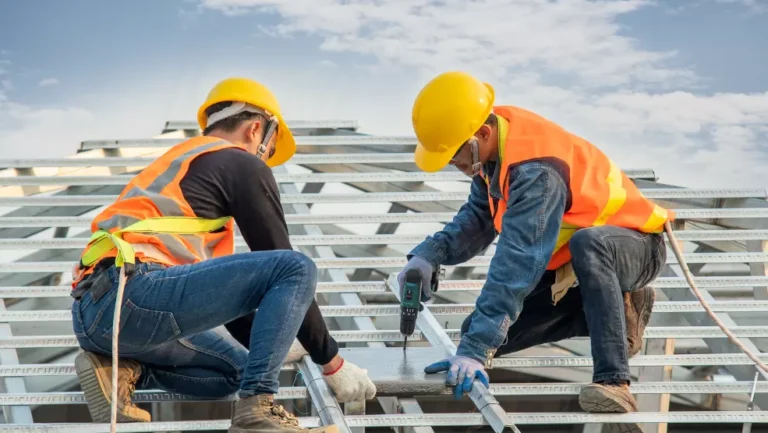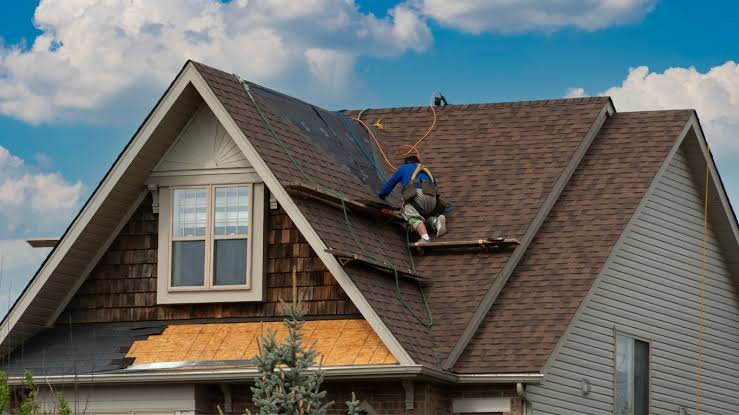
Every monsoon, thousands of homeowners call a contractor for “just one more patch job.” I get it — repairs feel cheaper and less scary. But here’s the thing: sometimes a repair is just delaying the inevitable, and you end up paying twice. If you’re seeing water stains every single year, or your roof is pushing 20 years old, you might already be past the point where a patch will save you. Knowing the real signs you need roof replacement can save you a lot of money — and a lot of stress — down the line.
In this post, I’ll walk through what actually separates a fixable problem from a roof that’s done its job and needs to go.
1. Your Roof Is Older Than 20-25 Years
Signs you need roof replacement often start with a simple number: age. Most asphalt shingle roofs last 20-25 years. Tile and metal roofs can go longer, sometimes 40-50 years, but even they degrade eventually.
If nobody in your family remembers when the roof was last replaced, that’s a red flag by itself. Pull out the old construction papers if you have them. Ask the neighbours — seriously, in a lot of housing societies someone always remembers.
Here’s a quick answer for the impatient reader: If your roof is over 20 years old and you’re calling for repairs more than once a year, replacement is almost always the smarter financial move than continued patchwork.
2. Repairs Are Becoming a Yearly Ritual
I’ve noticed that a lot of homeowners treat recurring leaks like a seasonal chore — patch it before monsoon, forget about it, patch it again next year. That’s not maintenance, that’s a roof telling you it’s failing.
A few things to track:
- How many times have you called for repairs in the last 3 years?
- Is the cost creeping up each time?
- Are new leaks showing up in spots that were never a problem before?
If you answered yes to two or more of these, you’re not maintaining a roof anymore. You’re managing its decline.
3. Shingles Are Curling, Cracking, or Missing
Walk outside and actually look up. Curled edges, cracked tiles, or bald patches where granules have worn off — these aren’t cosmetic issues. They mean the material has lost its ability to shed water properly.
Picture a small business owner in Jaipur running a boutique out of a converted haveli. She noticed a few missing tiles after a dust storm and figured it was minor. Eight months later, water had crept under the adjoining tiles and rotted part of the wooden batten underneath. What could’ve been a ₹15,000 fix became a ₹1.2 lakh structural repair. That’s the trap.
4. Sagging Roof Deck
This one’s serious, and honestly, non-negotiable. A sagging or dipping section of roof usually means the decking underneath has absorbed water and started to rot, or the structural supports are compromised.
You cannot repair your way out of a sagging roof deck. No sealant or patch fixes structural sag — this needs full replacement of the affected roof section, and sometimes the framing underneath too.
5. Daylight Through the Roof Boards
Go into your attic or loft space on a sunny afternoon and turn off the lights. See any pinpricks of daylight coming through? That’s not a small problem — those same gaps let in rain, and probably already have.
A related quick check: run your hand along the rafters. Damp, soft, or crumbly wood means moisture has been getting in for a while, likely longer than you think.
6. Rising Energy Bills With No Other Explanation
Has your electricity bill quietly crept up over the last couple of summers, even though you haven’t changed your AC usage? A failing roof loses its insulating properties as materials degrade, letting heat pour into your attic space and, eventually, your living areas.
It’s not the flashiest of the signs you need roof replacement, but it’s one of the most overlooked. [link to related guide on energy-efficient roofing here]
7. Moss, Algae, or Dark Streaks Across Large Areas
A little moss in a shaded corner? Not a big deal, honestly — that’s normal in humid Indian climates, especially coastal cities. But when it spreads across most of the roof, it’s trapping moisture against the surface constantly, which accelerates material breakdown underneath.
Widespread algae or moss growth is one of the clearer signs you need roof replacement, particularly when paired with any of the issues above. [link to guide on roof maintenance in humid climates here]
8. Neighbours Are Replacing Theirs Around the Same Time
If your home was built around the same time as the houses nearby, and you’ve started noticing multiple neighbours getting new roofs done, take that as a hint. Roofing materials in the same climate zone, installed around the same era, tend to fail on a similar timeline. In 2026, with erratic monsoon patterns hitting several Indian cities harder than usual, this pattern has been showing up faster than the typical 20-year mark.
Repair vs Replacement: A Quick Comparison
| Factor | Repair Makes Sense | Replacement Makes Sense |
| Roof age | Under 15 years | Over 20 years |
| Leak frequency | One-off, isolated | Recurring, yearly |
| Damage area | Small, localized | Widespread |
| Structural sag | None | Present |
| Cost of repair vs new roof | Under 30% of replacement cost | Over 50% of replacement cost |
[link to related guide on roof repair cost estimates here]
FAQ: Common Questions About Roof Replacement
Q: How do I know if it’s a repair or a full replacement? Generally, if the damage covers less than 30% of the roof and it’s localized, repair works. Anything beyond that, especially with structural issues, points to replacement.
Q: Is roof replacement really worth the cost? In most cases, yes. A new roof adds real resale value and stops the cycle of repeated repair bills that quietly add up over a few years.
Q: Can I replace just part of my roof? Sometimes, if the damage is isolated to one section and the rest is structurally sound. But mismatched materials can look odd and may age differently, so weigh that against the savings.
Q: How long does a roof replacement take? For an average Indian home, a full replacement typically takes 3-7 days depending on size, material, and weather conditions.
Q: Does insurance cover roof replacement? Sometimes, especially if the damage was caused by a storm or specific weather event. It’s worth checking your policy terms before assuming it isn’t covered.
Q: What’s the best time of year to replace a roof in India? Post-monsoon, generally October to March, works best. Dry weather gives materials time to set properly without rain interference.
Final Thoughts
Spotting the signs you need roof replacement early is really about paying attention — age, recurring leaks, sagging, and material damage all add up to tell you something. Ignoring them doesn’t make the problem go away; it just makes the eventual fix more expensive.
If you’ve ticked off two or more signs on this list, it might be worth getting an actual inspection done rather than guessing. A quick chat with a local roofing contractor this week could save you a much bigger headache — and bill — next monsoon.