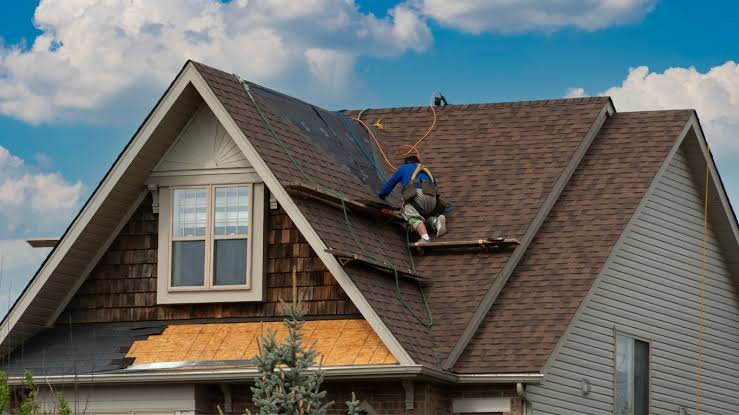
8 Roof Maintenance Tips to Extend Its Lifespan
Most people don’t think about their roof until it leaks. Sound familiar? By then, you’re usually looking at a repair bill that could’ve been avoided with a bit of upkeep along the way. The good news is that roof maintenance tips don’t have to be complicated or expensive — a lot of it is just noticing small problems before they become big ones. In 2026, with weather patterns getting more unpredictable across Indian cities, staying ahead of roof damage matters more than it used to.
Here’s what I’ve learned works, both from experience and from talking to contractors who’ve seen it all.
1. Get a Roof Inspection Twice a Year
Roof maintenance tips always start with the same advice, and for good reason: you can’t fix what you don’t know is broken. Schedule an inspection once before monsoon and once after — end of May and again in October works well for most of India.
A proper inspection checks for cracked tiles, loose flashing, clogged drains, and any early signs of water pooling. It takes maybe an hour for a standard home. Skipping this is honestly the single biggest mistake I see homeowners make.
2. Clean Your Gutters Regularly
A blocked gutter is one of the fastest ways to shorten your roof’s life — water backs up, seeps under shingles or tiles, and slowly rots the structure underneath. Clean gutters at least twice a year, more often if you’ve got overhanging trees nearby.
Leaves, twigs, and in some cities, a surprising amount of dust and construction debris pile up fast. I’ve noticed rooftop gardens and terrace plants make this worse too — soil and leaf litter from potted plants often end up clogging the nearest drain outlet.
Quick gutter checklist:
- Remove visible debris by hand or with a small scoop
- Flush with water to check flow
- Look for rust spots or sagging sections in metal gutters
- Check that downspouts aren’t blocked at the base
3. Trim Overhanging Branches
Branches scraping against your roof do more damage than people realize. Over time they wear down shingle surfaces, and during storms they can snap off and cause real damage.
Keep branches at least 3-4 feet away from the roofline. It’s a small job, honestly, but one that gets skipped constantly.
4. Check and Reseal Flashing Every Year
Flashing — the metal strips around chimneys, vents, and skylights — is where most leaks start. Rubber seals dry out, metal corrodes, and gaps open up that you’d never notice from the ground.
Picture a homeowner in Pune who kept getting a small stain near her chimney every monsoon. Turned out the flashing sealant had cracked years earlier, and each rainy season pushed a little more water through. A ₹2,000 resealing job, done early, would’ve saved her a repainted ceiling and a fair bit of frustration.
5. Remove Moss and Algae Growth
A bit of moss in shaded, humid corners is pretty normal, particularly along India’s coastal belt. But left alone, it holds moisture against the roof surface constantly, which speeds up material breakdown.
Use a soft brush and a mild water-vinegar solution rather than a pressure washer — high-pressure water can force its way under tiles or shingles and cause the exact damage you’re trying to prevent. [link to related guide on roof cleaning methods here]
6. Watch for Ventilation Problems
This one’s underrated. Poor attic or loft ventilation traps heat and moisture, which speeds up material fatigue from the inside out — even if the outer surface looks fine.
Signs of a ventilation issue:
- Unusually hot upper floors in summer, even with the AC running
- Musty smell in the attic or loft space
- Visible condensation on the underside of the roof deck during humid months
Adding or clearing existing vents is often a cheap fix compared to what poor airflow eventually costs you in materials replacement.
7. Fix Small Cracks and Leaks Immediately
I’ll be honest, this is the tip people ignore the most. A hairline crack or a tiny drip doesn’t feel urgent. But water finds its way in and keeps expanding the damage, especially once the monsoon really kicks in.
Small roof problems rarely stay small — a minor crack repaired for a few hundred rupees today can prevent a structural repair costing tens of thousands later. Don’t wait for “later this month.” Later this month is usually too late.
8. Keep Records of Every Repair and Inspection
Not glamorous, I know. But keeping a simple log — date, what was done, who did it, roughly what it cost — makes a real difference. It helps you spot patterns (same spot leaking every year? that’s a bigger issue) and gives you leverage when talking to insurance or a new contractor.
Roof Maintenance Schedule at a Glance
| Task | Frequency | Best Time |
| Full inspection | Twice a year | Pre and post-monsoon |
| Gutter cleaning | 2-4 times a year | Before monsoon, after autumn leaf-fall |
| Flashing check | Once a year | Pre-monsoon |
| Moss/algae removal | As needed | Dry season |
| Ventilation check | Once a year | Summer |
[link to related guide on signs you need roof replacement here]
FAQ: Common Questions About Roof Maintenance
Q: How often should I really get my roof inspected? Twice a year is the general rule — once before monsoon, once after. If you’ve had recent storm damage, add an extra check.
Q: What’s the average cost of roof maintenance in India? It varies a lot by roof size and material, but basic annual maintenance — gutter cleaning, minor resealing, an inspection — usually runs somewhere between ₹3,000 and ₹10,000 for a typical home.
Q: Can I do roof maintenance myself? Some of it, sure — clearing debris, checking for obvious cracks. But flashing work and anything involving heights is worth leaving to a professional, both for safety and for getting it done right.
Q: Does roof maintenance actually extend lifespan? Yes, meaningfully. A well-maintained roof can often outlast its expected lifespan by 5-10 years, while a neglected one frequently needs replacement earlier than expected.
Q: What’s the biggest mistake people make with roof upkeep? Waiting until there’s a visible leak. By then, the damage underneath is usually worse than what you can see from inside.
Q: Is moss on my roof actually harmful? In small amounts, not really. But left to spread, it traps moisture and speeds up wear, so it’s worth removing before it covers large sections.
Final Thoughts
None of these roof maintenance tips require a huge budget or a ton of time — just a bit of regular attention. Twice-yearly inspections, clean gutters, quick fixes for small cracks. That’s most of the battle, honestly.
If it’s been a while since anyone’s actually been up on your roof, this might be the week to change that. A short inspection now could easily save you a much bigger repair bill before the next monsoon rolls around.