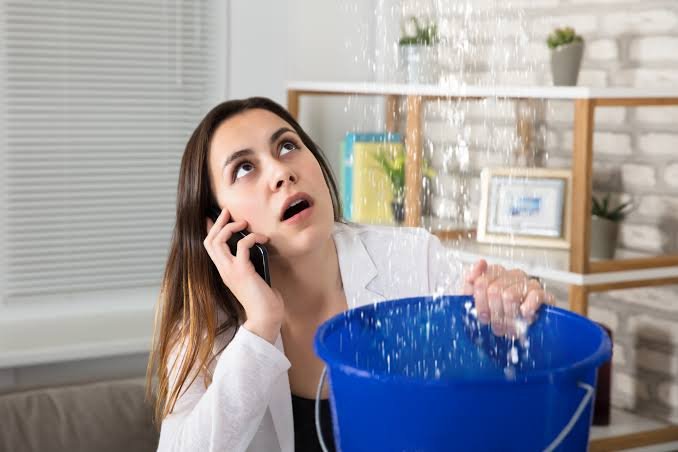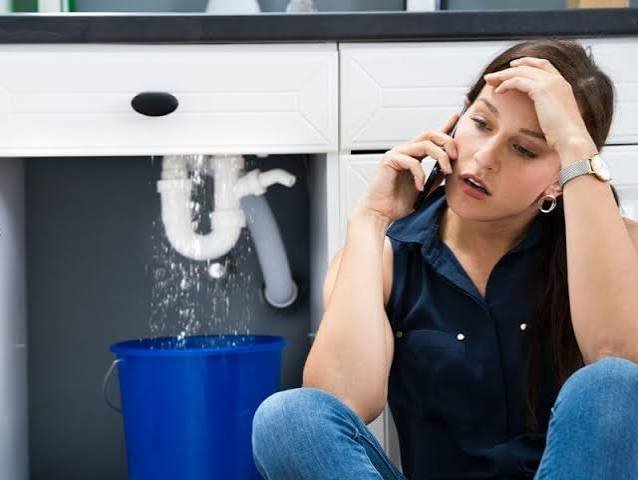
Water dripping under the sink at 11 PM. A toilet that won’t stop running. A shower that turns into a trickle right when you’re already late. If any of this sounds familiar, you’re not alone — dealing with common plumbing problems is basically a rite of passage for anyone who owns or rents a home. The good news? Most of these issues don’t need a plumber’s visit at all. With a few basic tools and about twenty minutes, you can fix a surprising number of them yourself, and in 2026 there’s more good DIY information available than ever before.
This guide walks through the plumbing headaches people run into most, and how to actually solve them — not just patch them up for a week.
Why DIY Plumbing Fixes Save You Time and Money
A single plumber visit in most Indian cities can run anywhere from ₹300 to ₹1,500 just for the call-out, before parts. Learn to fix a common plumbing problem yourself and you skip that entirely.
There’s also the waiting. Emergency plumbers aren’t always available same-day, especially on weekends. I’ve had a leaking tap turn into a full-blown water bill surprise simply because I put off calling someone for four days. Doing it yourself means the fix happens the moment you notice the problem, not whenever someone else’s schedule allows.
Fixing a Leaky Faucet Without Calling a Plumber
Leaky faucets are probably the single most common plumbing problem in any household, and they’re almost always caused by a worn-out washer or O-ring inside the tap.
Quick answer: Turn off the water supply, remove the tap handle, replace the rubber washer or O-ring inside, and reassemble. Most leaky faucet repairs take under 15 minutes and cost less than ₹50 in parts.
Here’s the actual process:
- Shut off the water supply valve under the sink (or the main line if there’s no local valve)
- Unscrew the tap handle using a screwdriver — there’s usually a small cap hiding the screw
- Pull out the stem and look at the washer at the bottom; if it’s cracked, flattened, or hardened, that’s your culprit
- Swap it for a new washer of the same size (carry the old one to the hardware store so you get an exact match)
- Reassemble everything and turn the water back on slowly
One thing I’ve noticed doing this over the years — people often over-tighten the tap afterward thinking it’ll stop drips faster. It doesn’t. It just wears the washer out quicker. A firm, snug turn is enough.
Unclogging a Slow or Blocked Drain
Slow drains are annoying rather than urgent, which is exactly why people ignore them until the sink won’t drain at all.
Start simple. Boiling water poured slowly down the drain dissolves a lot of soap and grease buildup on its own. If that doesn’t work, a mix of half a cup of baking soda followed by half a cup of vinegar, left for 15-20 minutes, breaks down organic gunk pretty effectively.
For tougher clogs, a plunger or a drain snake (you can find cheap plastic ones online for under ₹200) usually does the trick. Avoid chemical drain cleaners as a first option — they’re harsh on older pipes, and honestly, I think they’re overused for problems a plunger would solve just fine.
Stopping a Running Toilet
Quick answer: A running toilet is usually caused by a faulty flapper valve that isn’t sealing properly, letting water continuously leak into the bowl. Replacing the flapper, which costs around ₹100-200, fixes the issue in most cases.
Open the tank lid and watch what happens during a flush. If the flapper doesn’t drop back down cleanly, or if the chain connecting it to the flush lever is tangled or too slack, that’s your answer. Adjust the chain length first — sometimes that’s all it needs. If the flapper itself looks worn or warped, replace it; it’s a five-minute job and doesn’t require any tools beyond your hands.
Picture a small business owner in Jaipur running a guesthouse — a running toilet in even one room can add hundreds of litres of wasted water a day across a billing cycle. Small fix, real savings.
Dealing With Low Water Pressure
Low pressure showers are one of those plumbing problems people just live with for months, assuming it’s a building-wide issue. Often, it isn’t.
Mineral deposits build up inside the showerhead or faucet aerator over time, especially with hard water, which is common across a lot of Indian cities. Unscrew the showerhead or aerator, soak it in a bowl of white vinegar for a couple of hours, then scrub the holes with an old toothbrush. Pressure usually comes right back.
If pressure is low across the entire house, though, that’s a different story — could be a partially closed main valve or a deeper pipe issue, and that one’s worth getting checked by a professional. [link to related guide on hard water solutions here]
Fixing a Leaking Pipe Under the Sink
Has water pooling under your sink cabinet ever ruined a stack of stored dish towels? It’s happened to me, and it’s not fun to clean up.
Most under-sink leaks happen at the joints — where pipes connect to each other or to the trap. Tighten the slip nuts by hand first; a lot of leaks are simply from a connection that loosened over time. If tightening doesn’t stop it, wrap plumber’s tape (the white Teflon tape) around the threads before reconnecting.
For a quick emergency stop-gap while you source parts, a rubber patch and hose clamp around the leak point buys you a day or two — not a permanent fix, but useful.
Repairing a Clogged Toilet Without a Plumber
A clogged toilet is one problem nobody wants to deal with, but it’s usually simpler than people expect. A plunger with a flange (the extended rubber lip, not the flat cup type) creates a much better seal and does the job in a few firm pushes.
If plunging doesn’t clear it, a toilet auger — a flexible cable tool — can reach further into the trap. Avoid flushing repeatedly hoping it clears on its own; that usually just risks an overflow. [link to bathroom maintenance checklist here]
Preventing Common Plumbing Problems Before They Start
Quick answer: Most plumbing issues can be avoided with basic upkeep — checking for small leaks monthly, avoiding pouring grease down drains, and replacing worn washers before they fail completely rather than after.
A few habits worth building:
- Check under sinks once a month for early signs of moisture or corrosion
- Never pour cooking oil or grease down the kitchen sink — let it cool and bin it instead
- Use drain covers to catch hair and food particles before they build up
- Test water pressure occasionally so a slow decline doesn’t sneak up on you
- Know where your main shut-off valve is — you’ll need it fast if something bursts
None of this is glamorous work, but it’s the difference between a five-minute fix and a flooded kitchen. [link to home maintenance checklist here]
FAQ: Common Plumbing Problems Answered
Q: What’s the most common plumbing problem in homes? Leaky faucets, hands down. They’re usually caused by a worn washer and are one of the easiest common plumbing problems to fix without any professional help.
Q: Can I use chemical drain cleaners regularly? Not really a good idea. They can damage older or plastic pipes over time. Save them for stubborn clogs, and lean on baking soda and vinegar or a plunger for everyday maintenance.
Q: How do I know if a plumbing problem needs a professional? If you’re dealing with sewage backup, no water pressure across the whole house, or a burst pipe, stop the DIY approach and call someone. Those usually point to bigger issues in the main line.
Q: Why does my toilet keep running after I flush? Almost always a worn or misaligned flapper valve. Check the chain length and flapper condition first — it’s the cheapest and most likely fix.
Q: Is low water pressure always a plumbing problem? Not always. Sometimes it’s the water supplier or building tank level. But if only one tap or shower is affected, it’s usually a clogged aerator or showerhead on your end.
Q: How often should I check my home’s plumbing for issues? A quick monthly walkthrough — sinks, under cabinets, toilet tanks — catches most problems early, before they turn into an expensive repair.
Wrapping Up
Most common plumbing problems really don’t need a professional — a leaky tap, a running toilet, a slow drain, these are all things you can handle with basic tools and half an hour on a weekend. The trick is catching them early rather than letting a small drip turn into a real repair bill.
Next time you hear that telltale drip at night, don’t just reach for the phone. Grab a wrench first, and see how far you get.