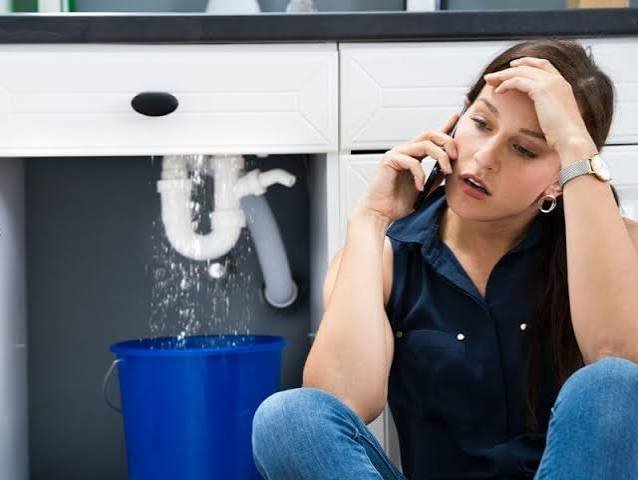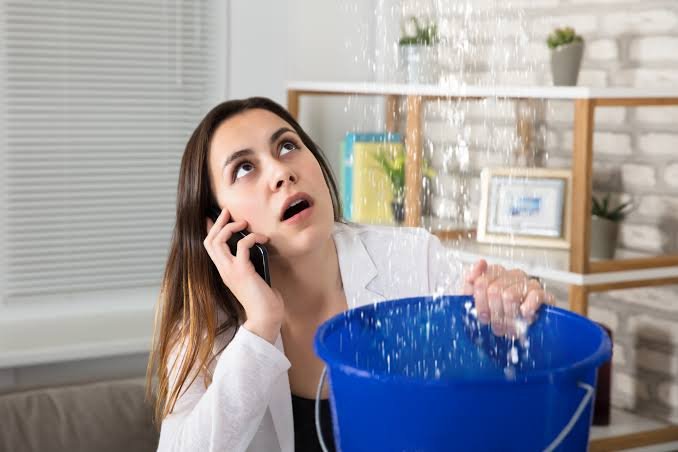
Standing over a leaking pipe at midnight, wrench in hand, wondering if you’re about to fix it or make it ten times worse — that’s the moment most people start googling when to call a plumber. It’s a fair question. Some plumbing jobs genuinely take fifteen minutes and a YouTube video. Others can flood a kitchen, damage electrical wiring, or void your home insurance if handled wrong. The line between the two isn’t always obvious.
This guide breaks down exactly where that line sits, so you’re not guessing the next time something under your sink starts dripping.
Why Knowing When to Call a Plumber Matters
Quick answer: Knowing when to call a plumber saves you from turning a small, cheap fix into a costly repair. DIY works well for minor, visible issues, while anything involving main lines, gas, or structural pipework needs a licensed professional.
I’ve seen this go wrong both ways. A friend in Pune tried to fix a “small” pipe leak himself, over-tightened a joint, and cracked the fitting — turning a ₹100 fix into a ₹4,000 one. On the flip side, plenty of people call a plumber for a clogged drain that a ₹150 plunger would’ve solved in five minutes. Neither extreme is smart. The goal is knowing which bucket your problem falls into.
Signs a Plumbing Problem Is Safe to DIY
Most everyday plumbing annoyances fall into the DIY-friendly category, and honestly, tackling them yourself builds a bit of confidence for the next one.
Here’s what usually qualifies:
- A dripping faucet caused by a worn washer
- A slow or mildly clogged drain (not a full blockage)
- A running toilet with a faulty flapper
- Low water pressure from a mineral-clogged showerhead
- A loose pipe joint under the sink that just needs tightening
- Replacing a toilet seat or a simple tap cartridge
None of these require specialized tools beyond a wrench, screwdriver, and maybe a plunger. They’re also low-risk — if you get it slightly wrong, you’re not looking at water damage or a burst pipe, just a trip back to the hardware store. [link to guide on common plumbing problems and fixes here]
When You Should Definitely Call a Plumber
Has a “quick fix” ever turned into water pooling across your kitchen floor? That’s usually the moment people wish they’d called someone in the first place.
Quick answer: Call a plumber immediately for burst pipes, sewage backups, gas line issues, no water pressure throughout the house, or any leak near electrical wiring. These situations carry real safety and property risk if handled incorrectly.
Specific red flags include:
- Water pooling near an electrical outlet or panel — this is a shock hazard, full stop
- A sewage smell coming from drains, which usually points to a vent or main line issue
- Multiple fixtures losing pressure or draining slowly at once, suggesting a main line clog
- Any smell of gas near a water heater — leave the house and call your gas provider first, then a plumber
- Visible pipe corrosion or bulging, which can burst without warning
I’ll be honest — I think people underestimate how often “just a small leak” is actually a symptom of something bigger happening behind the wall. If a leak keeps coming back after you’ve fixed the visible part twice, that’s your cue to stop DIYing it.
Cost Comparison: DIY Repairs vs. Professional Plumbing
Money is usually the deciding factor for most households, and it’s worth being honest about the numbers.
A basic DIY fix — new washer, flapper valve, or plunger — typically costs ₹50 to ₹300 in parts. A plumber’s call-out fee in most Indian cities runs ₹300-₹1,500, plus parts and labor, which can push a moderate repair to ₹2,000-₹5,000 depending on the city and complexity.
That said, cheaper isn’t always better. Picture a small business owner in Jaipur running a busy restaurant kitchen — a botched DIY pipe repair that floods the kitchen during dinner service costs a lot more in lost business than the plumber’s fee ever would have. Sometimes paying for expertise is the actual cheaper option, even if it doesn’t feel that way upfront.
How to Evaluate the Risk Before You Start
Before grabbing your toolkit, it helps to run through a quick mental checklist.
- Is water actively spraying or flooding? Stop. Shut off the main valve and call a plumber.
- Is it a slow, contained issue? Safe to attempt yourself.
- Does it involve gas, electrical proximity, or the main line? Always call a professional.
- Have you already tried fixing it twice with no luck? Time to bring in help rather than making a third attempt.
This isn’t a perfect science, but it catches most situations. When genuinely unsure, a five-minute phone consultation with a local plumber (many will do this for free) beats guessing.
Tools Every Homeowner Should Have for Minor Fixes
You don’t need a full toolbox to handle basic plumbing. A decent adjustable wrench, a flange plunger, plumber’s tape, a bucket, and a drain snake cover almost everything on the DIY-safe list above.
Keep these somewhere accessible — not buried in storage — because plumbing problems rarely announce themselves in advance. [link to home maintenance essentials checklist here]
What a Professional Plumber Checks That You Might Miss
A trained plumber isn’t just fixing the visible leak; they’re checking water pressure across the system, pipe material compatibility, and whether the issue is isolated or connected to something bigger in the building’s plumbing.
That’s genuinely hard to replicate with a YouTube tutorial, and it’s the real value you’re paying for beyond the labor itself. [link to plumbing maintenance guide here]
FAQ: When to Call a Plumber vs. DIY
Q: How do I know if a leak is serious enough to call a plumber? If it’s spraying, spreading fast, or near an electrical source, call immediately. A slow drip you can contain in a bucket usually has time for a DIY attempt first.
Q: Is it cheaper to always DIY plumbing repairs? Not always. Simple fixes are cheaper to DIY, but a mistake on a bigger issue can cost more than the original plumber visit would’ve.
Q: Can I fix a burst pipe myself temporarily? You can slow it with a rubber patch and hose clamp while waiting, but this is a stop-gap, not a real fix — get a plumber out as soon as possible.
Q: What plumbing issues should never be DIYed? Gas line problems, sewage backups, and anything involving the main water line. These need licensed, professional handling.
Q: How much does a plumber typically charge for a home visit in 2026? It varies by city, but expect ₹300-₹1,500 for the call-out alone, with total repair costs depending on the parts and labor involved.
Q: Should I try DIY first before calling a plumber? For minor, visible issues, yes — it’s often faster and cheaper. For anything involving safety risks or recurring problems, skip the DIY attempt and call directly.
Final Thoughts
Deciding when to call a plumber really comes down to risk, not just cost. Small, visible, low-stakes problems are worth a DIY attempt — you’ll save money and pick up a useful skill. Anything involving gas, electricity, sewage, or a main line isn’t worth the gamble.
Next time you’re staring at a leak wondering what to do, run it through that mental checklist first. If it still feels uncertain, that uncertainty is usually your answer — pick up the phone.