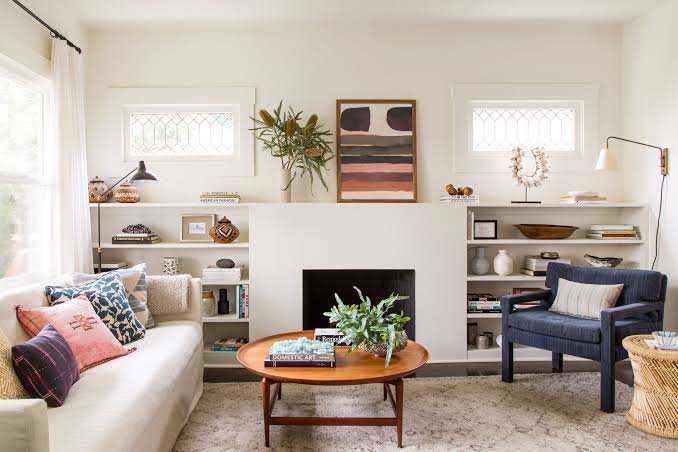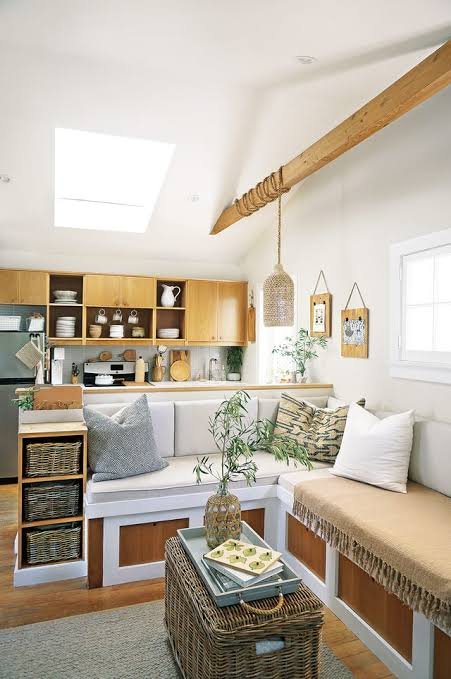
Living in a small flat doesn’t mean you have to live with clutter staring back at you every morning. If you’ve ever stood in your 1BHK wondering why it feels smaller than it actually is, you’re not alone — I’ve had that exact conversation with at least three friends this year. The good news is that small space decorating ideas don’t require a bigger budget or a bigger apartment. They just require a bit of strategy. In 2026, with rents climbing in cities like Bengaluru, Mumbai and Jaipur, more people are staying in compact homes longer, and figuring out how to make them feel open, calm, and personal. Let’s get into what actually moves the needle.
Why Small Spaces Feel Bigger Than They Look
Here’s a quick answer for the skimmers: a small room feels large when light bounces around freely, when furniture doesn’t block sightlines, and when colour transitions smoothly from floor to ceiling. That’s it. No renovation required — just rearranging what you already own with intention.
I’ve noticed that people obsess over buying “space-saving furniture” before they’ve even tried rearranging what’s already in the room. Sometimes the fix is just pulling your sofa two feet away from the wall. Weird, but it works — it creates a little breathing room behind it that tricks the eye.
Use Mirrors Strategically, Not Randomly
Mirrors are the oldest trick in the small space decorating ideas playbook, and for good reason. A well-placed mirror can genuinely double the perceived depth of a room.
But here’s where people go wrong: they hang a mirror facing a wall, or worse, facing clutter. Point your mirror toward a window or a clean wall instead. That’s what actually reflects light and openness back into the room.
A few practical tips:
- Go for one large statement mirror rather than three small decorative ones — it reads as intentional, not scattered
- Lean an oversized mirror against the wall near your entryway for an instant “this place is bigger” effect
- Avoid ornate, heavy frames in tiny rooms — they add visual weight you don’t need
Pick a Light, Cohesive Colour Palette
Dark, moody colours look stunning in Pinterest photos of large lofts. In a 300 sq ft room, though, they can swallow the space whole. Stick to soft whites, warm beiges, pale sage, or dusty blue on your walls, and let one accent piece — a cushion, a rug, a single painted wall — carry the personality.
Small space decorating works best when your ceiling, walls, and even curtains stay close in tone. This “monochrome-ish” approach removes visual breaks that make a room look chopped up.
Choose Furniture That Multitasks
Picture a small business owner in Jaipur running her boutique out of a spare bedroom. She doesn’t have room for a desk AND a guest bed AND a storage cabinet. So she gets an ottoman that opens up for storage, a daybed that doubles as a sofa, and a fold-down wall desk. Nothing in her room does just one job.
This is the mindset to borrow, even if you’re not running a business from home:
- A storage ottoman instead of a coffee table
- A bed frame with drawers built into the base
- Nesting tables that tuck away when you need floor space
- Wall-mounted drop-leaf tables for tiny kitchens or study corners
Go Vertical With Storage and Shelving
Floor space is precious in a small home, but wall space usually sits empty. That’s a wasted opportunity. Tall, narrow bookshelves draw the eye upward and make ceilings feel higher than they are.
I’ll be honest — I resisted floating shelves for years because I thought they looked too “showroom.” Turns out, once you style them with a mix of books, one plant, and maybe a small frame (not perfectly matched, just enough), they look lived-in rather than sterile.
Let Natural Light Do the Heavy Lifting
A crisp answer for anyone in a hurry: skip heavy curtains and dark blinds in small rooms. Use sheer or light-coloured fabric instead, and keep window sills clear so daylight travels further into the room.
Position seating perpendicular to windows rather than blocking them entirely. Even a narrow gap of visible window glass changes how airy a room feels.
Keep the Floor Visible
Rugs are lovely, but an oversized rug in a small room can actually shrink it visually. The trick is choosing a rug that’s slightly smaller than the seating area, so a border of bare floor remains visible around the edges. That exposed floor line is what your brain reads as “more space.”
[link to related guide on choosing the right rug size here]
Add Personality Without Adding Clutter
This is the part people get wrong the most. In trying to avoid a cluttered look, they strip all personality out of the room, and it ends up feeling like a hotel lobby. Nobody wants that either.
Instead, pick 3-4 meaningful objects — a piece of art, a plant, a textured cushion, a small ceramic bowl from a market trip — and give them room to breathe. Fewer objects, better placed, beat a shelf crammed with twelve knick-knacks every time.
[link to related article on decluttering small apartments here]
Don’t Ignore the Entryway
Even a narrow hallway sets the tone for the whole home. A slim console table, a wall hook for keys, and one small mirror can make that first five feet feel deliberate instead of like an afterthought.
Suggested alt text: “narrow entryway console table with mirror in small apartment”
FAQ: Common Questions About Small Space Decorating
Q: What colours make a small room look bigger? Light, warm neutrals — think soft white, cream, pale sage — reflect more light than dark shades and keep walls from visually closing in on you.
Q: Is it better to have less furniture in a small space? Generally yes, but it’s less about quantity and more about scale. One well-proportioned sofa beats three mismatched chairs crammed into a corner.
Q: Do mirrors really make rooms look bigger? Yes, genuinely — a mirror placed opposite a window or light source can visually add several feet of depth to a room.
Q: What’s the biggest mistake people make in small space decorating? Buying too much “space-saving” furniture without first trying to rearrange what they already own. Sometimes the room just needs breathing room, not new purchases.
Q: Should I use a big rug or small rug in a small room? Choose a rug slightly smaller than your seating area so a visible strip of floor remains around the edges — it reads as more open space.
Q: How can I add storage without making my room feel smaller? Go vertical. Tall shelving units and wall-mounted storage use height instead of floor space, which keeps the room feeling open.
Final Thoughts
Making a small home feel bigger isn’t about spending more — it’s about being deliberate with what you already have. Light colours, smart mirror placement, multitasking furniture, and a little restraint with decor can genuinely transform how a room feels, without knocking down a single wall.
Start with just one change this weekend — maybe it’s finally hanging that mirror in the right spot, or clearing your window sill. See how the room feels after that one shift before you buy anything new. Small space decorating, done well, is really just about paying attention to what your room is already telling you.