You love the idea of a garden. What you don’t love is spending every Sunday morning pulling weeds instead of drinking your chai in peace. Sound familiar?
Here’s the good news: low maintenance garden ideas aren’t some myth cooked up by lazy gardeners (guilty, by the way). With the right plant choices, layout, and a bit of upfront planning, you can have a garden that looks cared for even when you haven’t touched it in ten days. I’ve helped set up a few small home gardens in Jaipur over the years, and the pattern is always the same — people over-plan the “pretty” part and completely skip the “practical” part. Let’s fix that.
Why Most Gardens Become High-Maintenance Nightmares
A garden usually turns into a chore because of one root cause: too many plant species with different watering and sunlight needs, crammed into one space. You end up babysitting each one individually. Simplify the plant palette, and half your work disappears overnight.
That’s really the whole secret, if you want the one-line version. Most maintenance headaches come from mismatched plants fighting each other for water, light, and soil nutrients — not from gardening itself being hard.
I’ve noticed that people also underestimate how much time lawns eat up. A lawn looks simple in photos, but between mowing, edging, and dealing with patchy dry spots (especially brutal in Rajasthan’s summer heat), it’s often the single biggest time-drain in a home garden.
Choose Native and Drought-Tolerant Plants First
Low maintenance garden ideas almost always start here, and for good reason. Native plants are already adapted to your local rainfall, soil, and temperature swings — they don’t need constant fussing to survive.
For a place like Jaipur, where summers push past 45°C and water isn’t something you want to waste, go for:
- Bougainvillea — practically indestructible, blooms for months, barely needs watering once established
- Aloe vera and other succulents — thrive on neglect, genuinely
- Money plant (Pothos), both indoors and in shaded outdoor corners
- Hibiscus, which handles heat well and rewards you with big, showy flowers
- Vinca (Sadabahar) — flowers almost year-round and self-seeds without any help from you
Avoid anything labelled “exotic” or “tropical” unless you’re genuinely prepared to baby it. It’s tempting at the nursery, I know. I’ve made that mistake myself with a fussy fern that lasted about three weeks.
Ditch the Lawn (Or Shrink It Drastically)
A full lawn is probably the least busy-homeowner-friendly choice you can make. If you already have one and love the look, consider shrinking it to a small patch — just enough for kids or pets to sit on — and replacing the rest.
Direct answer: Replacing lawn areas with gravel, mulch beds, or ground-cover plants like creeping thyme can cut weekly garden maintenance time by 60-70%, since there’s no mowing, edging, or constant watering involved.
Ground covers like Arachis (perennial peanut) or Wedelia spread nicely and choke out weeds on their own — which, frankly, saves you a job you were probably not going to enjoy anyway.
Use Mulch Like It’s Non-Negotiable
Mulching isn’t optional if you’re serious about a low maintenance garden. A 2-3 inch layer of organic mulch (dried leaves, wood chips, coco peat) does three jobs at once: locks in soil moisture, blocks weed germination, and slowly feeds the soil as it breaks down.
I’ll be honest — I underestimated mulch for years. It felt like an extra step. Then I compared two flower beds, one mulched and one bare, over a single Jaipur summer. The mulched bed needed watering maybe twice a week. The bare one needed it daily. That convinced me.
Group Plants by Water Needs (Hydrozoning)
This is a fancy term for a simple idea: put thirsty plants together, and drought-tolerant plants together, in separate zones. Don’t mix a fern with a cactus in the same bed — one of them is always going to suffer.
Hydrozoning means:
- Zone your beds by watering frequency, not just by colour or height
- Install a single drip line per zone rather than watering the whole garden uniformly
- Group container plants near each other so you can water them in one round instead of walking the whole yard
Set Up Drip Irrigation With a Timer
If there’s one investment worth making, it’s this. A basic drip irrigation kit with a timer costs somewhere around ₹3,000–₹8,000 for a small to medium home garden, depending on coverage area, and it genuinely runs itself.
Direct answer: Drip irrigation with an automatic timer delivers water directly to plant roots on a schedule, cutting water waste by up to 50% and removing daily hand-watering entirely from your routine — ideal for anyone maintaining low maintenance garden ideas on a tight schedule.
Picture a working couple in Malviya Nagar who both leave for office by 8:30 am. Before drip irrigation, their potted plants either got forgotten or overwatered on weekends to “make up” for it. After installing a simple timer system, the plants got consistent water every morning at 6 am — no thinking required. Their money plant, which used to yellow constantly, is now thriving.
Go Heavy on Containers and Raised Beds
Container gardening isn’t just for small spaces — it’s a maintenance shortcut. Containers dry out and get inspected more easily, soil quality is easier to control, and you can move plants around as sunlight patterns shift through the year.
Raised beds work similarly. Better drainage, fewer weeds sneaking in from the surrounding soil, and less bending down (your knees will thank you).
Pick Perennials Over Annuals
Annual flowers look gorgeous but need replanting every single season — that’s a lot of repeated effort for temporary colour. Perennials, on the other hand, come back year after year with minimal fuss.
Good low-effort perennial options for Indian gardens include marigold (technically reseeds itself so easily it behaves like a perennial), lantana, and duranta. Plant once, enjoy for years.
Add Hardscaping Elements
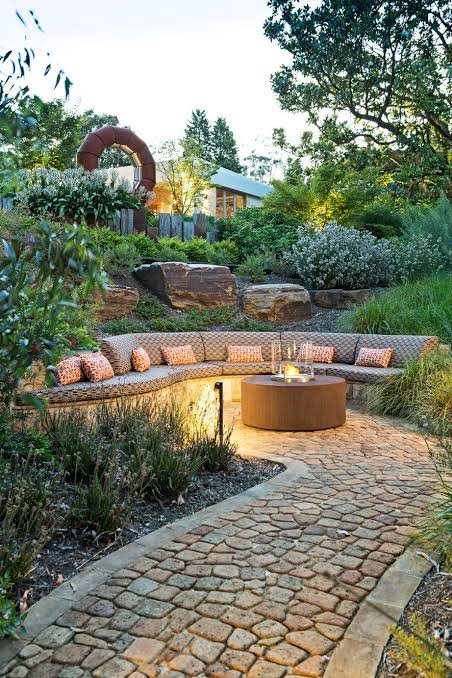
Stone paths, gravel patches, wooden decking, or a small seating corner — these elements need zero watering, zero pruning, and zero weeding. A garden that’s 30-40% hardscape and 60-70% planted area is often far easier to manage than one that’s fully green.
[link to related guide about budget-friendly patio and hardscaping ideas here]
FAQ: Low Maintenance Garden Ideas
Q: What is the easiest plant to maintain in a home garden? Succulents and aloe vera are hard to beat. They store their own water, tolerate neglect, and rarely get pests. Bougainvillea is a close second if you want something bigger and flowering.
Q: How often should I water a low-maintenance garden? It depends on the plants, but with drip irrigation and proper mulching, most drought-tolerant gardens only need watering 2-3 times a week, even in peak summer.
Q: Is artificial grass a good low-maintenance option? It can be, especially for small patios or terraces. It skips mowing and watering entirely, though it does need occasional cleaning and doesn’t offer the same cooling effect as real grass.
Q: Can I have a low-maintenance garden in a small balcony or terrace? Absolutely. Stick to containers, self-watering pots if your budget allows, and a handful of hardy plants like money plant, aloe, and marigold. Vertical planters also save floor space.
Q: How much does it cost to set up a low-maintenance garden in India? For a small home garden, budget roughly ₹5,000–₹15,000 for plants, mulch, and a basic drip setup. It’s a one-time cost that saves both time and water bills long-term.
Q: Do low-maintenance gardens still need any regular care? Yes — “low maintenance” doesn’t mean zero maintenance. Expect to spend maybe 20-30 minutes a week checking on things, trimming dead growth, and topping up mulch occasionally.
[link to related guide about drip irrigation setup for beginners here] [link to related guide about best plants for Rajasthan’s climate here]
Conclusion
A garden that looks after itself isn’t wishful thinking — it just needs different choices upfront. Pick native, drought-tolerant plants. Mulch like you mean it. Group your plants by water needs, and let drip irrigation take over the daily grind. Shrink the lawn, lean into containers, and don’t be afraid to let hardscaping do some of the heavy lifting.
Start small. Pick one section of your yard this month and apply two or three of these low maintenance garden ideas — swap in a drought-tolerant plant, add a mulch layer, whatever feels manageable. You’ll notice the difference in your weekend free time before the next season even rolls around.