There’s a certain comfort in knowing where your household water comes from. You turn on the kitchen tap, fill a glass, water the garden, and carry on with your day. When your home depends on a private well, though, that everyday convenience comes with a little responsibility. Unlike a municipal supply, a private well generally requires the homeowner to arrange testing, monitor the equipment, and decide whether treatment is needed.
Most of the time, these tasks aren’t particularly complicated. The challenge is knowing where to begin. A strange smell, rusty stains around the sink, or a sudden change in water pressure can leave you wondering whether the problem is harmless or something that needs immediate attention.
A reliable water supply starts with understanding what’s happening beneath the surface. With sensible maintenance and the right professional advice, homeowners can address common concerns without spending money on equipment they may not need.
Getting to Know Your Well Water
Groundwater travels through soil and rock before reaching an underground water-bearing layer called an aquifer. Along the way, it can collect naturally occurring minerals and other substances. Local geology, rainfall, land use, and the condition of the well can all influence the water that eventually reaches your home.
This explains why two houses in the same neighborhood may experience different problems. One household might have hard water that leaves chalky deposits on faucets, while another notices orange staining or an unpleasant odor. Neither situation should be judged by appearance alone.
Clear water isn’t necessarily safe water. Certain bacteria, nitrates, and dissolved contaminants may be present without changing the taste, smell, or color. That’s why regular laboratory testing matters, even when the water seems perfectly normal.
A useful first step is to learn what has already been done. If you’ve recently purchased a property, ask for previous test results, well construction details, and maintenance records. If those records aren’t available, arranging an inspection and baseline water test can provide a much clearer picture.
Why Regular Testing Shouldn’t Be Overlooked
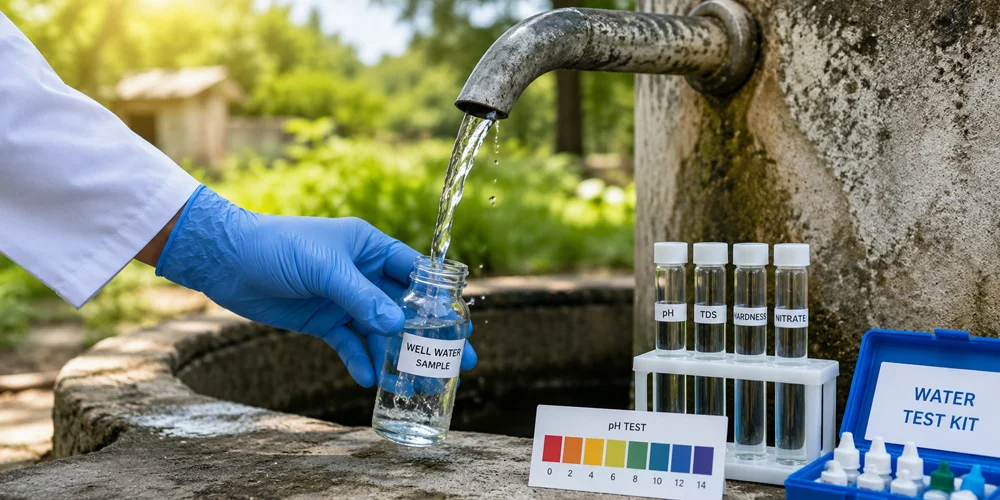
Water testing helps identify problems before they become difficult or expensive to manage. For private wells, the appropriate testing schedule depends on local guidance and the conditions around the property. In the United States, annual testing for coliform bacteria and nitrates is commonly recommended, with additional tests selected according to local risks.
Testing may also be advisable after flooding, repairs, or noticeable changes in the water. Agricultural activity, nearby septic systems, and certain industrial uses can create specific concerns depending on the location.
If you notice a sudden change in taste, odor, or appearance, don’t automatically assume the well needs a new filter. The cause might be related to plumbing, the water source, or treatment equipment. Testing can help narrow down the possibilities.
When contamination is suspected, contact your local health authority or a qualified water professional for guidance on whether the water can safely be used for drinking and cooking. Boiling is not a universal solution because it doesn’t remove most chemical contaminants and can concentrate some substances.
Finding the Right Treatment for Your Water
Once you understand the problem, choosing a solution becomes easier. Different treatment systems serve different purposes, and no single product can address every possible water concern.
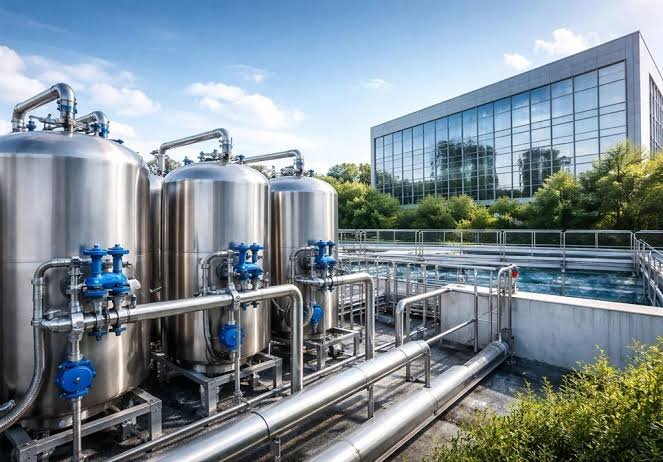
For example, water softeners reduce hardness minerals such as calcium and magnesium. Sediment filters capture suspended particles, while activated carbon can improve certain tastes and odors. Reverse osmosis systems may reduce a range of dissolved substances when properly selected and maintained. Disinfection equipment can help address microbial concerns when the system is suitable for the identified risk.
Effective well water treatment begins with knowing what is actually present in the water. Buying a system because it worked for a friend or neighbor can lead to disappointing results. Their well may have different mineral levels, a different depth, or an entirely different contamination concern.
Before purchasing equipment, ask what the system is designed to remove, whether its performance has been independently certified for that purpose, and how much maintenance it requires. Replacement filters, salt, electricity, and periodic servicing can all affect the long-term cost.
A well-chosen system should solve a clearly identified problem without making everyday maintenance unnecessarily difficult.
The Well Equipment Matters Just as Much
Water quality is only one part of the picture. The well pump, pressure tank, switches, pipes, and any installed treatment equipment all contribute to a dependable household supply.
A pump that starts and stops repeatedly may indicate a pressure-tank issue, a leak, or another mechanical fault. Low pressure could result from a clogged filter, damaged plumbing, or a problem with the pump itself. Sometimes the explanation is simple, but repeated symptoms deserve attention.
This is where professional well system services can be useful. Depending on the property’s needs, a service visit may include inspecting the pump, checking the pressure tank, examining visible well components, or identifying repairs that could prevent a more serious breakdown.
Don’t wait until the water stops flowing completely before arranging help. A small issue caught early may be easier to fix than a failed pump that leaves the household without water.
Homeowners should also protect the area around the well. Keep the cap secure, maintain drainage away from the casing, and avoid storing fuel, pesticides, or other chemicals nearby. If flooding reaches the wellhead, arrange an inspection and follow local recommendations for disinfection and testing.
Choosing a Provider Who Will Explain the Options
Finding someone to inspect or improve a well can feel overwhelming, especially if you don’t know much about pumps or water chemistry. A good provider should make the process easier, not more confusing.
Ask whether testing is recommended before treatment, what the proposed equipment will address, and whether simpler options are available. Request an explanation of installation costs, maintenance requirements, and expected replacement intervals. It’s reasonable to compare estimates, provided you’re comparing similar equipment and services.
Look for a provider with relevant experience and a willingness to explain the findings in plain language. Be cautious of anyone who immediately recommends expensive equipment without discussing the water problem or offering a clear reason for the recommendation.
Reliable service & support should extend beyond installation day. Filters need replacing, equipment may require adjustment, and water conditions can change over time. Knowing whom to contact when something goes wrong is part of choosing a solution that will remain useful for years.
Simple Habits That Help Protect Your Water Supply
Well maintenance doesn’t have to take over your weekends. A few consistent habits can make a real difference.
Keep records of laboratory results, inspections, repairs, and filter changes. Pay attention to unusual odors, staining, or pressure changes. Follow the manufacturer’s maintenance schedule for treatment equipment, and avoid ignoring warning indicators simply because the water still appears normal.
It’s also worth knowing where the main water shutoff is located and keeping a service contact handy. If several taps suddenly lose pressure, or the pump begins making unfamiliar noises, those details can help you respond promptly.
Remember that a neighbor’s test results don’t automatically apply to your property. Groundwater conditions and well construction can vary over surprisingly short distances. Your own results are the most useful foundation for decisions about your household.
A Dependable Supply Starts with Small Decisions
Maintaining a private well is really about staying informed. Regular testing helps reveal what’s in the water, suitable treatment addresses specific concerns, and routine equipment checks can reduce the chance of unexpected failures.
You don’t need to understand every technical detail to look after your well. Start with the basics, ask questions when something changes, and seek qualified advice before investing in equipment. With a practical approach, you can protect your household water supply and enjoy the everyday reassurance of knowing that the system behind your tap is receiving the care it needs.