Water treatment isn’t usually something people think about until a problem shows up. Maybe the shower leaves a chalky film on the glass, the coffee tastes different, or an office water dispenser suddenly stops working on a busy afternoon. These things can seem minor at first, but they have a way of becoming regular annoyances when nobody addresses the cause.
The good news is that managing water quality doesn’t have to be complicated. With the right equipment, sensible maintenance, and a little forward planning, homeowners and businesses can make water treatment a much easier part of everyday life. The trick is to choose solutions that suit the property, understand what the equipment actually does, and know when it’s time to call in a professional.
Start With the Right Installation
Even a well-designed water treatment system won’t deliver the results you expect if it’s installed incorrectly. The location of the equipment, the condition of the plumbing, the water supply, and the system’s capacity all matter. A unit that’s too small for a household, for instance, may struggle during periods of heavy use. An incorrectly connected system could create leaks or fail to treat water as intended.
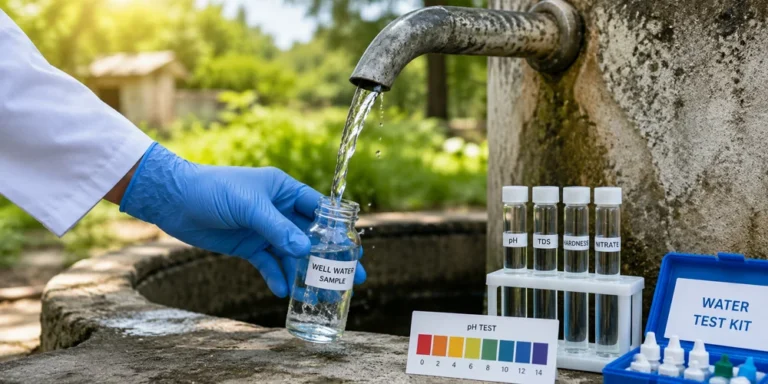
Before purchasing equipment, consider having the water tested and discussing the results with a qualified installer. Testing can help identify issues such as hardness, sediment, or particular contaminants that may need attention. It also helps prevent unnecessary spending on equipment that doesn’t address the actual problem.
Professional installation & maintenance can make a meaningful difference, especially when a system involves plumbing connections, drainage, electrical components, or specialized treatment technology. A trained technician can check the installation, explain the controls, and help you understand what routine care will involve.
Still, professional service shouldn’t mean leaving yourself in the dark. Ask the installer to show you how the system operates, where the shutoff valves are located, and which warning signs deserve attention. Knowing a few basics can save time if something goes wrong later.
Maintenance Is Easier When It’s Planned
Most water treatment systems need some attention over time. Filters may need replacing, softeners may require salt, and certain components need periodic inspection. These tasks aren’t particularly exciting, but ignoring them can affect performance and sometimes lead to more expensive repairs.
Think about a family that uses filtered water every day for drinking, cooking, and filling reusable bottles. If the filter replacement date passes unnoticed, the household may continue using the system without realizing that the cartridge has reached its recommended service interval. The same principle applies to businesses, where equipment often handles a much greater volume of water.
A simple maintenance calendar can help. Keep records of filter changes, service visits, and any unusual changes in taste, pressure, or appearance. Some systems have indicators or monitoring features that make tracking easier, although these shouldn’t replace the manufacturer’s maintenance instructions.
It’s also worth understanding which tasks you can safely handle yourself. Replacing an accessible filter or replenishing softener salt may be straightforward, depending on the model. Plumbing repairs, electrical work, or troubleshooting a suspected contamination issue are better left to qualified professionals.
Regular attention isn’t about being overly cautious. It’s about catching small problems before they interrupt your routine.
Know When an Upgrade Makes Sense
Water treatment technology changes, but a newer model isn’t automatically the right choice for every home or business. Sometimes the equipment you already own needs a repair or a replacement component. In other cases, changing water usage, recurring service problems, or rising operating costs may justify a more substantial upgrade.
For example, a growing family might find that its existing filtration system no longer supplies enough treated water at busy times. A small business may have added employees or equipment since its original system was installed. Those changes can affect capacity requirements, so it’s sensible to review the system rather than simply continuing with the old arrangement.
When comparing upgrades & trade-ins, look beyond the advertised price. Ask whether your current equipment qualifies, how the trade-in value is calculated, and whether installation, removal, and disposal costs are included. Check the warranty, replacement-part availability, and ongoing service expenses as well.
Compatibility deserves attention, too. A replacement unit may require different plumbing connections or additional space. Some advanced systems use monitoring technology, while others focus on straightforward operation and lower maintenance demands. Neither approach is universally better; the right option depends on how the equipment will be used.
A useful upgrade should solve a genuine problem, improve convenience, or offer a clear long-term benefit. If the existing system is working reliably and meeting your needs, keeping it may be the more sensible financial decision.
Water Treatment for Commercial Properties
Businesses have different priorities from households. A restaurant needs reliable water for food preparation, cleaning, and beverage service. An office may want convenient drinking water for employees and visitors. A manufacturing facility could have specific water-quality requirements linked to its processes or equipment.
These needs call for a careful assessment rather than a one-size-fits-all product. Water quality, daily demand, operating hours, available installation space, and applicable regulations can all influence the choice of equipment.
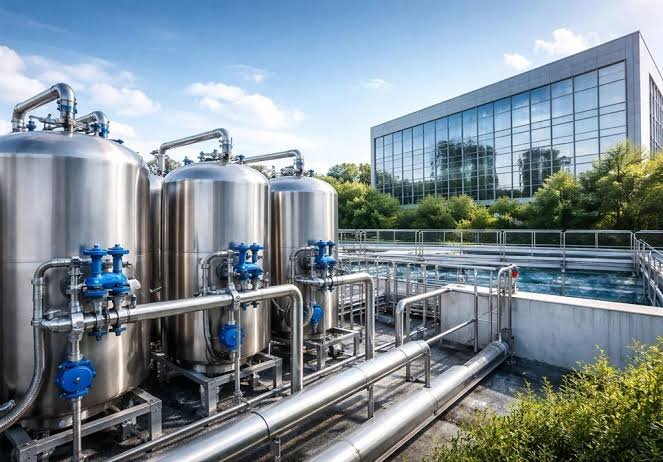
Well-planned commercial water solutions can help businesses address their particular requirements while making maintenance more predictable. Depending on the application, a solution might involve point-of-use filtration, a larger treatment system, water softening, or a combination of technologies. The important thing is to match the system to the intended use instead of assuming that one product can handle every situation.
Reliability matters enormously in a commercial setting. An equipment failure during a busy service period can inconvenience customers, interrupt work, and create unexpected costs. Before choosing a provider, ask about service response times, maintenance agreements, spare parts, and what happens if the system needs urgent attention.
Businesses should also keep appropriate service records and follow any relevant health, safety, and water-quality requirements. For applications involving drinking water or specialized processes, equipment selection should be guided by the contaminants of concern and the standards that apply to the operation.
Don’t Overlook Running Costs
The purchase price is only one part of the overall cost of water treatment. Filters, salt, electricity, water consumption, service visits, and replacement components can all add up over the years.
That doesn’t mean the cheapest system is always a poor choice or the most expensive one is automatically superior. It means you should compare options on a realistic basis. Ask suppliers for an estimate of recurring expenses and clarify which maintenance tasks are included in the quoted service plan.
It’s helpful to consider the cost of doing nothing, too. Persistent scale can affect appliances and fixtures, while unsuitable filtration may leave a specific water-quality concern unresolved. The potential benefits depend on the original problem and the equipment selected, so avoid relying on broad promises about savings or performance.
A transparent provider will explain the likely benefits without making guarantees that the system can’t reasonably support.
Choosing a Provider You Can Trust
Good equipment is important, but dependable service makes a difference long after installation day. Look for a company that listens to your concerns, explains its recommendations clearly, and is willing to discuss alternatives when a particular product isn’t necessary.
Read service terms before committing, especially if the provider offers recurring maintenance or supply plans. Understand cancellation conditions, visit charges, warranties, and whether replacement parts are readily available. Customer reviews can provide useful context, but it’s wise to look for consistent patterns rather than judging a company by one glowing or negative comment.
Most importantly, be cautious of anyone who pressures you into an immediate purchase without explaining the water-quality issue or offering clear evidence for the recommended treatment.
A Better Approach to Water Starts With Small Decisions
Reliable water treatment is rarely about buying the most advanced equipment available. It’s about understanding your needs, selecting a suitable system, and looking after it properly.
Whether you’re maintaining a home filtration unit, considering an upgrade, or managing water equipment across a commercial property, a little planning goes a long way. Ask questions before buying, keep up with routine service, and review your requirements whenever water usage changes.
Water is part of nearly everything we do, yet it often receives attention only when something goes wrong. Taking a more thoughtful approach can make it easier to manage, reduce avoidable disruptions, and help ensure that your treatment system continues to do the job it was chosen for. In the long run, dependable performance and informed decisions matter far more than a flashy product description.